3,700 Feet of Waterway Seeding Wrapped Up Before Winter
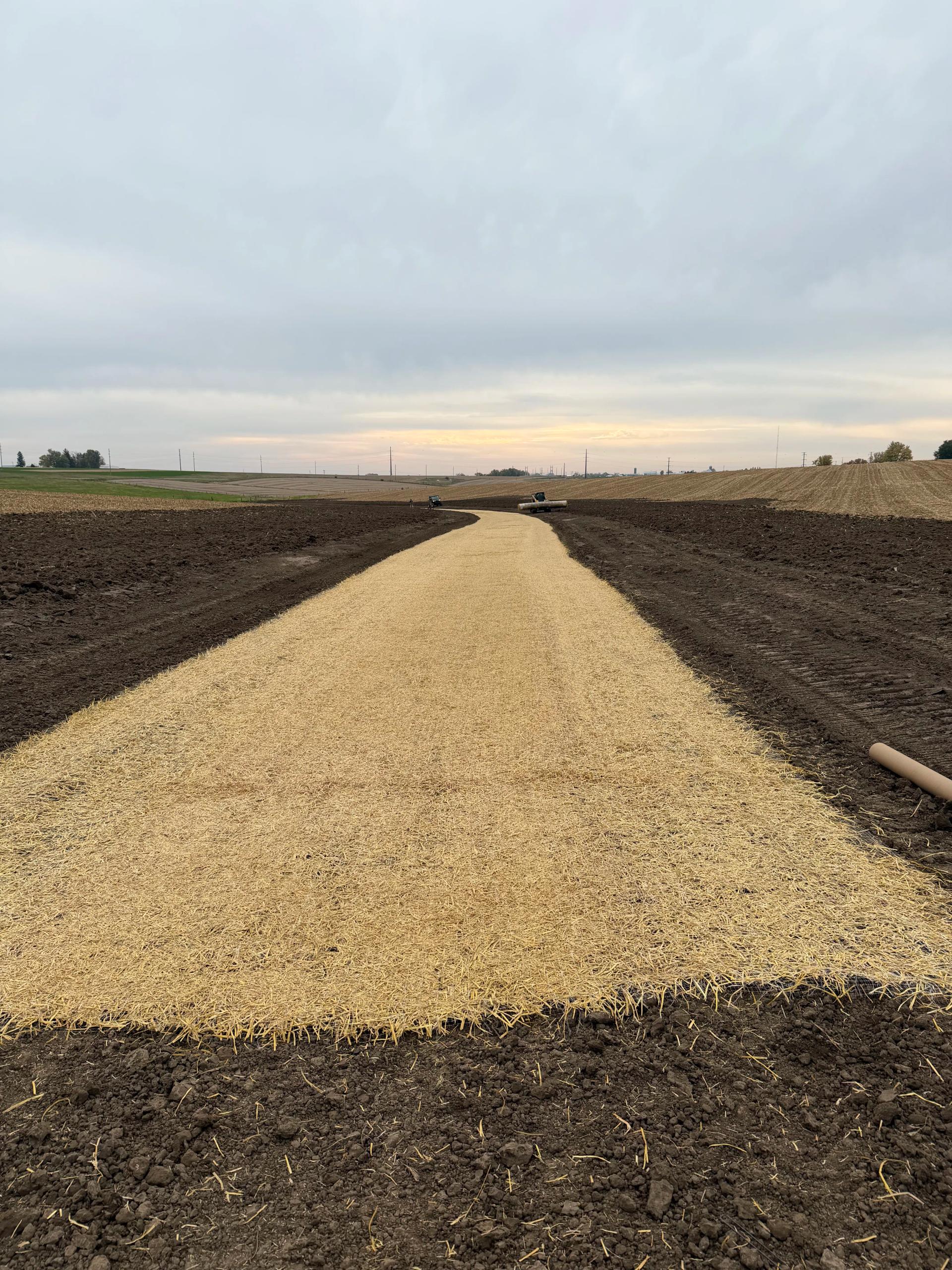
Erosion-prone waterways are one of those things that are easy to put off - until you're watching topsoil wash away every spring. Getting them seeded and covered before the ground freezes is the right move, and that's exactly what we set out to do here.
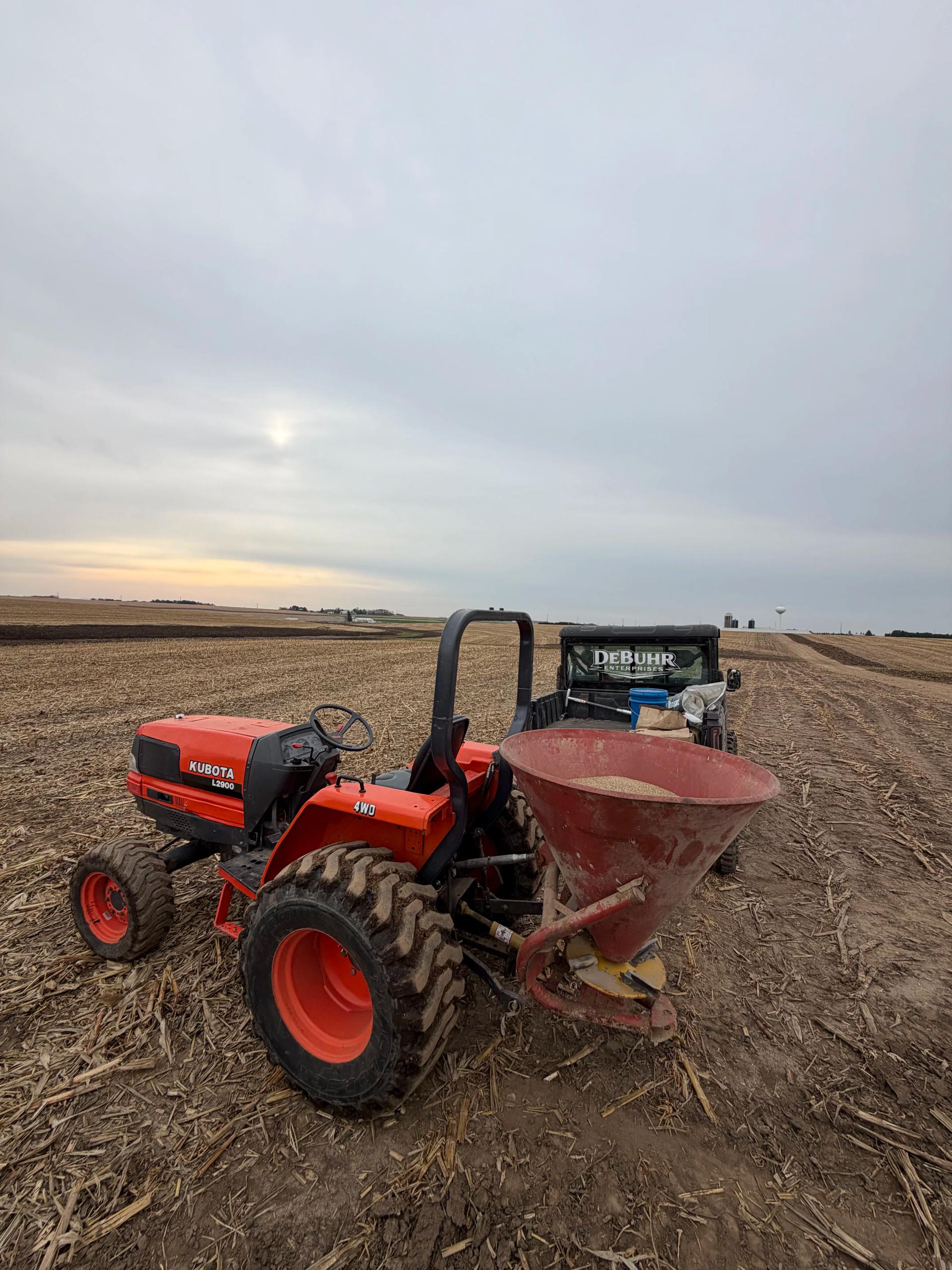
We ran 3,700 feet of waterway seeding using a mix of annual rye and pasture mix. The annual rye gets up fast and gives you quick coverage. The pasture mix fills in behind it and builds something more permanent. Using both together is intentional - you want something holding that soil through winter and something that will anchor it long-term.
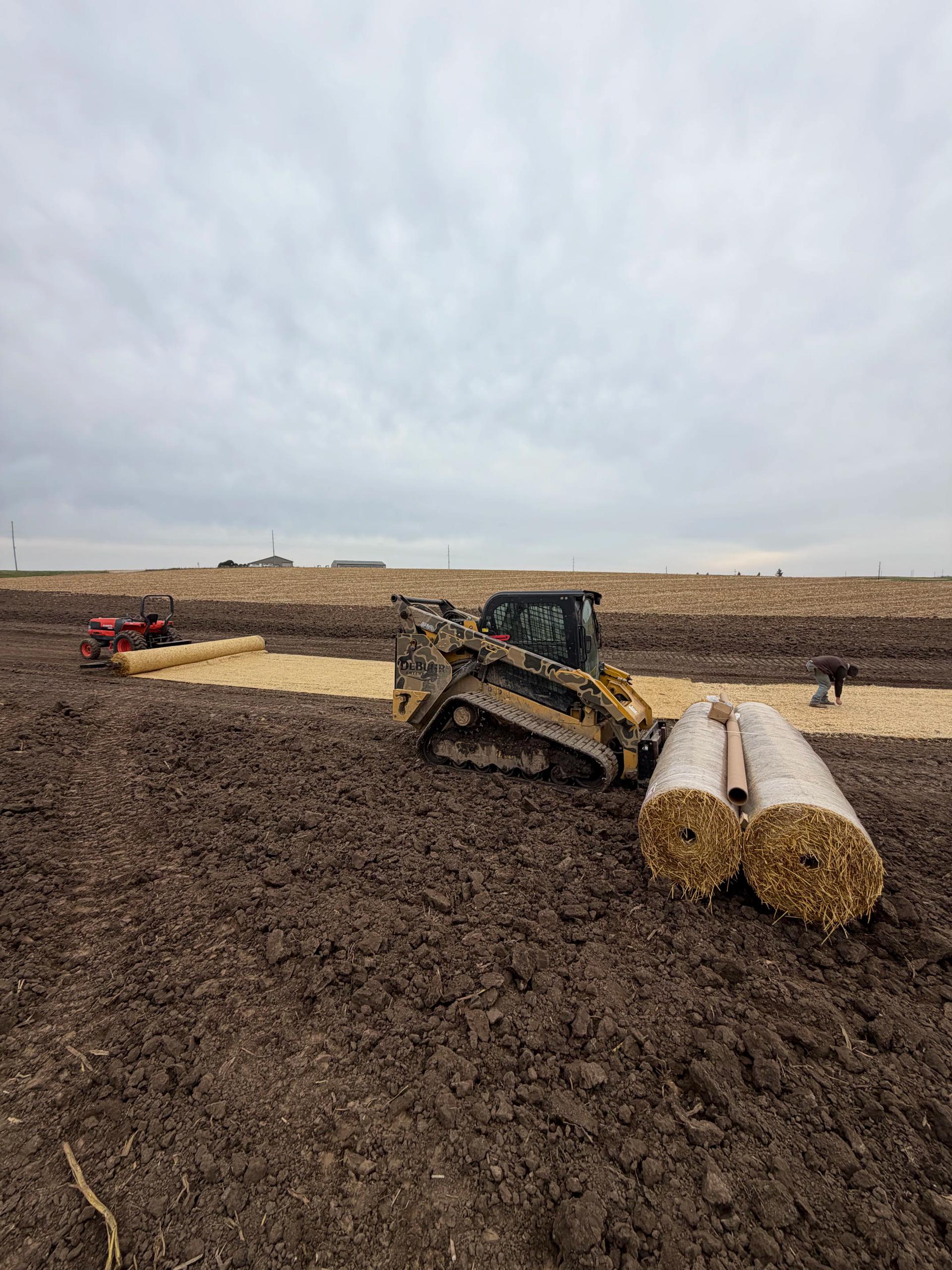
After seeding, we rolled out erosion control matting across the full length of the waterway. The skid steer made quick work of unrolling and laying it flat while the crew worked behind it to get everything tight and in place. That matting keeps the seed bed from washing out before germination, which is the whole point of doing this work in the fall rather than waiting.
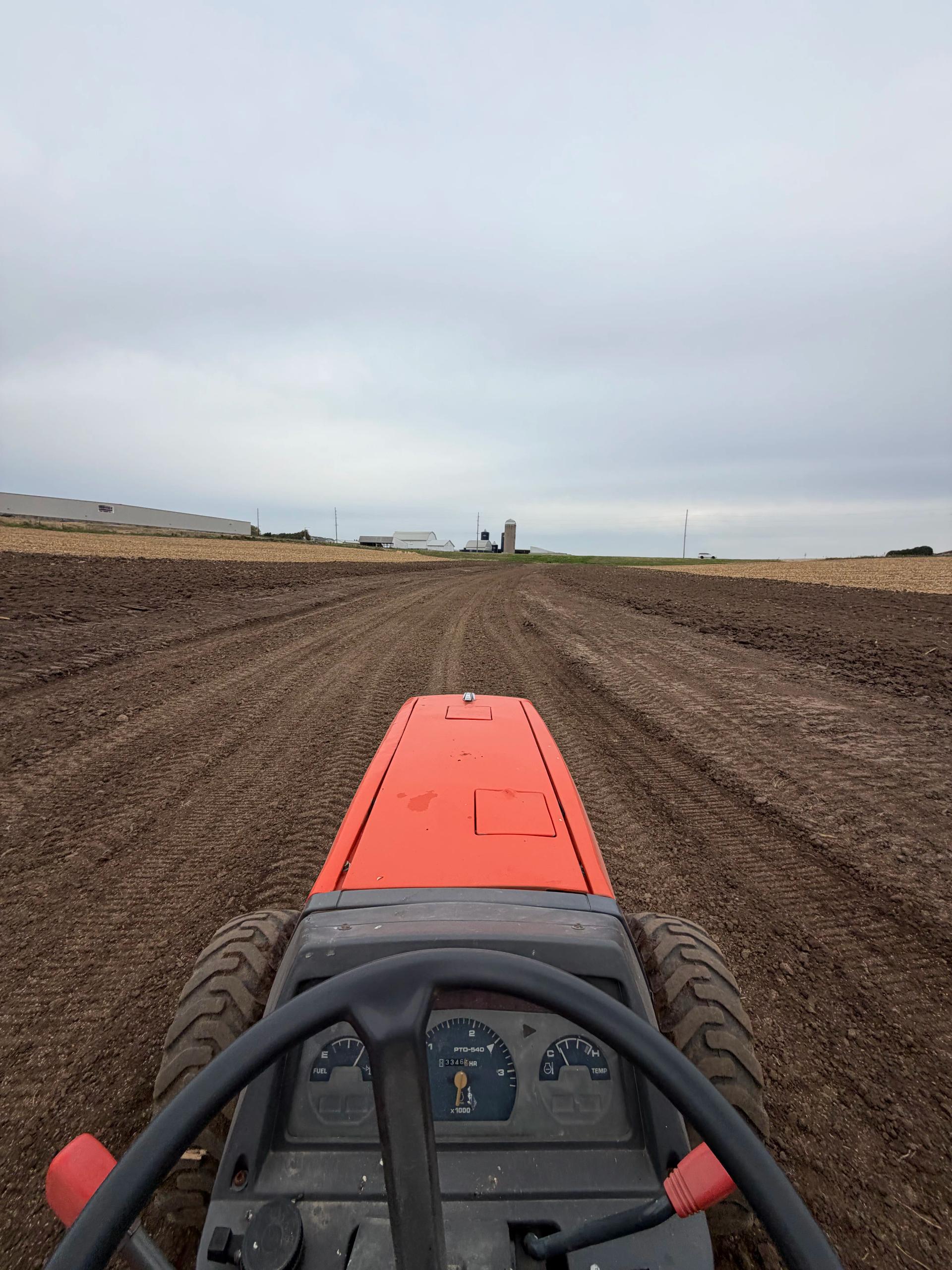
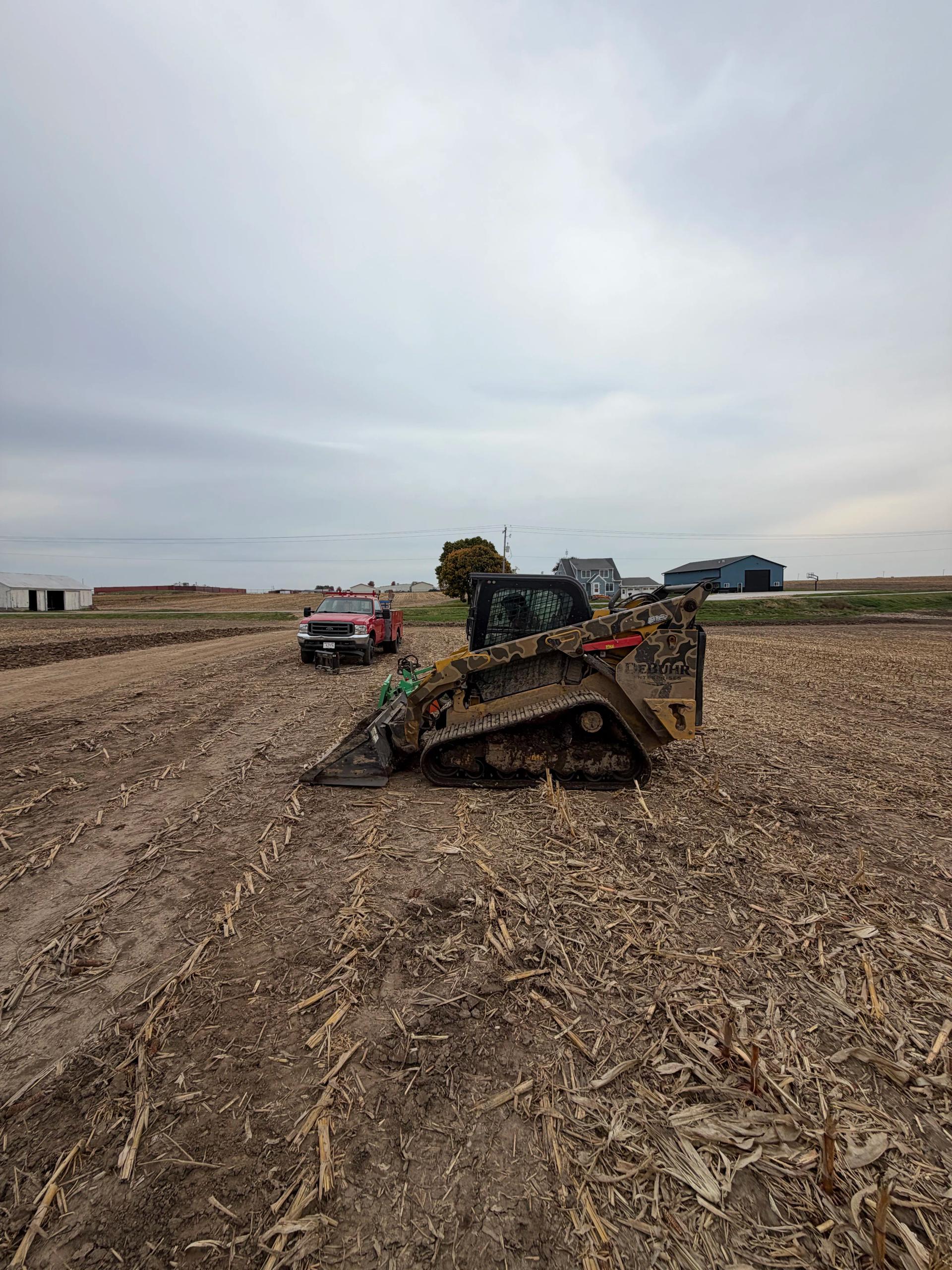
The prep work matters just as much as the seeding. We graded and shaped the waterway channel to give it a clean, consistent path. A poorly shaped waterway will channel water too fast in one spot and pond in another - neither one is good. Getting the grade right from the start means the vegetation has a fighting chance once it comes in.
Come spring, what was bare dirt will have solid root structure holding things in place. That's the goal. If you've got waterways or other erosion-prone areas that need attention before the season closes out, this is the kind of work that pays off for years.